


Native Landscape Design for Beautiful, Wildlife Friendly Gardens
A beautiful garden can do far more than frame a home. With the right plants and a thoughtful plan, it can feed butterflies, shelter birds, support pollinators, manage rainwater, and still look polished from the street.
Native landscape design brings those goals together. It uses plants that fit the local climate, soil, seasons, and wildlife. The result is a garden that feels intentional, supports nature, and becomes easier to care for over time.
At Beautyberry Gardens, this approach starts with a simple belief: a successful landscape should work with nature, not against it.
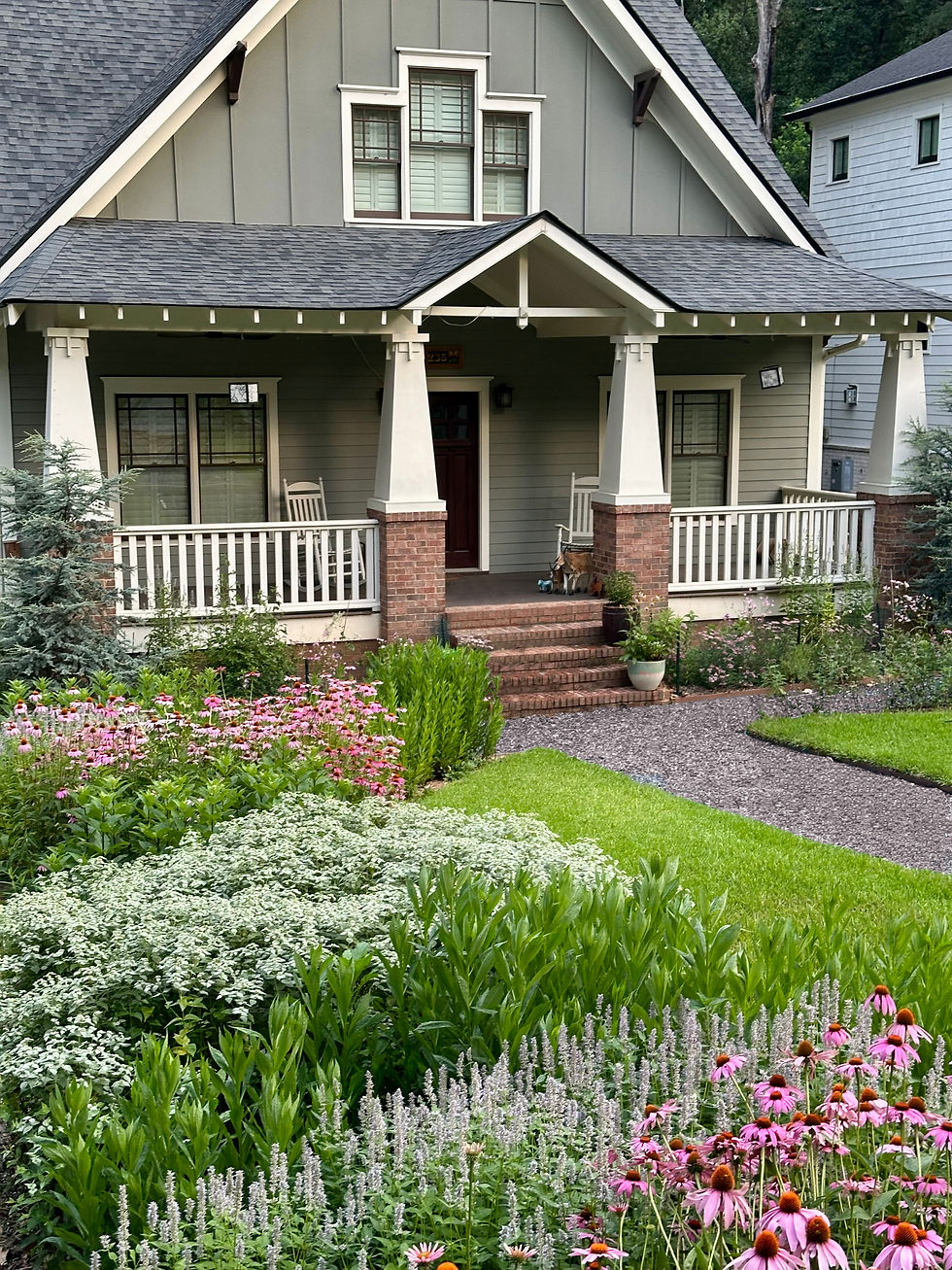
What native landscape design means
Native landscape design focuses on plants that naturally occur in a region or are well adapted to local ecological conditions. Instead of choosing plants only because they look good at the nursery, the design begins with how the garden will function in the real world.
A native garden may include:
Native trees and shrubs
Flowering perennials
Native grasses
Low-growing groundcovers
Pollinator-friendly flowers
Bird-friendly plants
Plants that provide berries, seeds, nectar, or shelter
Rain gardens or other water-management features
Habitat areas for beneficial insects and wildlife
This does not mean the garden has to look wild or messy. Native plants can be arranged with defined bed lines, pathways, focal points, seasonal color, and balanced layers. A well-designed native landscape can feel elegant, natural, and deeply connected to its setting.
For homeowners searching for Native Landscape Design Garden Atlanta, the goal is often the same as it is in many regions: create a garden that looks beautiful while supporting the life already present in the area.
Why native plants matter for wildlife
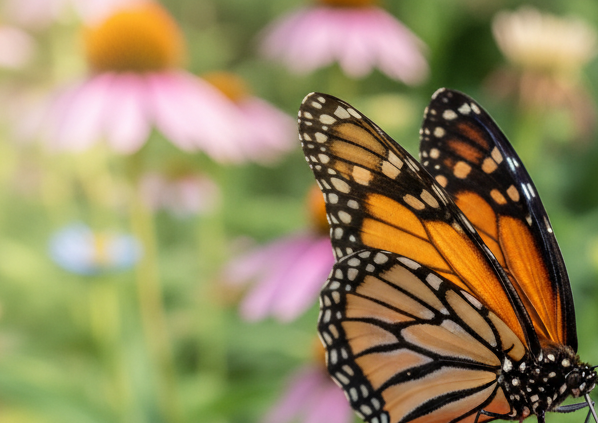
Wildlife depends on plants for food, shelter, nesting material, and safe places to move through the environment. Many native insects, birds, and butterflies have close relationships with specific native plants.
For example, some butterflies rely on certain host plants for their caterpillars. Birds often feed insects to their young, especially during nesting season. Native shrubs can provide berries, cover, and protected branches. Native grasses offer seeds and shelter for small wildlife.
A conventional landscape with large areas of turf and a few ornamental shrubs may look tidy, but it often provides limited habitat. A native landscape adds layers of life.
Pollinator Bird Wildlife Butterfly support begins with plant choice. Flowers that produce nectar and pollen help bees and butterflies. Seed-producing plants feed birds. Shrubs and trees give wildlife places to rest, hide, and nest.
How native gardens stay beautiful through the seasons
One of the strongest benefits of native landscape design is year-round interest. A thoughtful plan does not rely on one short bloom period. It layers plants so something is always happening.
Spring may bring fresh foliage, early flowers, and activity from pollinators. Summer can provide strong color, movement from ornamental grasses, and steady nectar sources. Fall brings seed heads, berries, warm foliage, and bird activity. Winter still offers structure from grasses, evergreen plants, bark, stems, and dried seed heads.
A strong native design uses several layers:
Canopy plants Trees that provide height, shade, nesting sites, and seasonal character.
Shrub layers Plants that add structure, flowers, berries, and cover.
Perennial layers Flowering plants that bring color and nectar across the seasons.
Ground layers Groundcovers, sedges, and low plants that protect soil and reduce bare mulch.
Habitat details Seed heads, leaf litter in selected areas, hollow stems, and sheltered spaces for beneficial insects.
This layered approach makes the garden more resilient and more interesting to look at. It also helps the landscape feel full without feeling crowded.
Native landscape design can reduce maintenance
Native plants are not maintenance-free, but they can reduce the need for constant inputs when placed correctly. Because they are adapted to local conditions, they often need less supplemental water once established. They can also reduce the need for fertilizers and frequent replacement plantings.
The key phrase is right plant, right place.
A sun-loving meadow plant will struggle in deep shade. A plant that likes dry soil may fail in a wet low spot. A moisture-loving plant may decline on a hot slope. Good design matches each plant to the light, soil, drainage, and space available.
A native garden still needs care, especially during establishment. New plantings need watering, weeding, and monitoring. Over time, maintenance shifts from forcing the garden to perform to guiding its natural growth.
Common native landscape maintenance includes:
Seasonal pruning
Selective weeding
Dividing perennials when needed
Managing self-seeding plants
Refreshing mulch while plants fill in
Leaving some seed heads or stems for wildlife
Adjusting plant combinations as the garden matures

How to create a native garden that feels intentional
The best native gardens begin with design, not a random mix of plants. A clear plan helps the space look cared for and connected to the home.
Start with the structure. Trees, shrubs, paths, borders, and lawn edges create the bones of the garden. Then add plant groupings in repeated patterns. Repetition helps native plantings feel calm and deliberate.
Use masses of plants instead of one of everything. Groups are easier for pollinators to find and easier for the eye to understand. Place taller plants toward the back of beds or in natural clusters. Use lower plants near paths, patios, and entries.
A few design choices can make a native garden look especially polished:
Clean bed edges
Curving or geometric paths
Repeated plant groups
A limited color palette
Evergreen structure
Seasonal focal points
Mulched areas during establishment
A balance of texture, height, and bloom time
This is where ecological landscaping and traditional design meet. The garden supports wildlife, but it also supports daily life. It can frame a porch, soften a driveway, shade a seating area, or create privacy near a patio.
Why professional planning makes a difference
Native plants are powerful tools, but they need careful selection. A professional design considers mature plant size, bloom sequence, wildlife value, soil conditions, water movement, and how the garden will look from important views.
Beautyberry Gardens approaches native landscape design as both an artistic and ecological process. Plant selection, installation, and maintenance all matter. A successful garden should look beautiful after planting, then grow stronger and more layered with time.
Professional planning can also help avoid common problems, such as overcrowding, aggressive spreaders in small spaces, poor drainage choices, or a planting design that looks bare for too long.
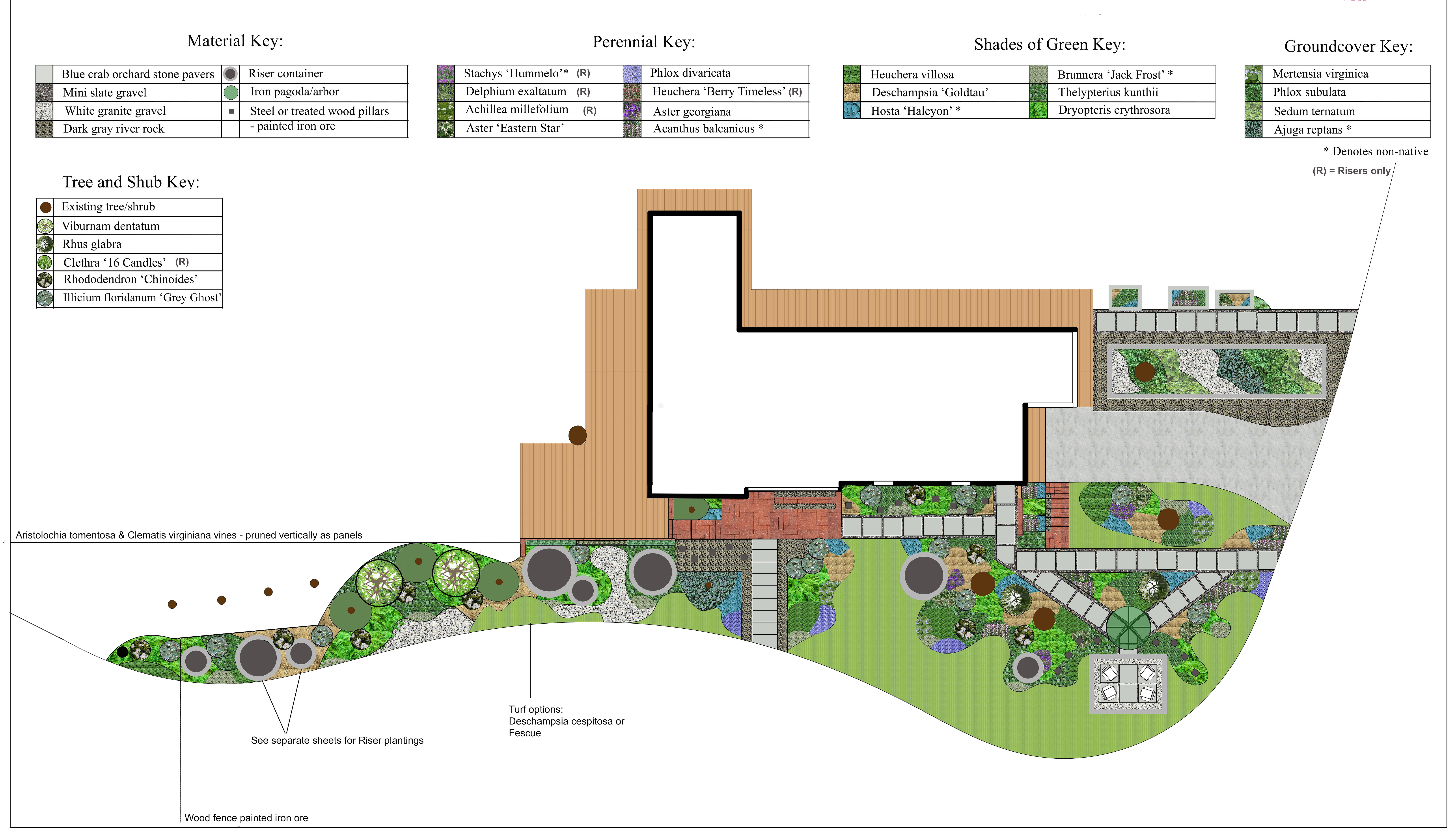
A garden can be both beautiful and alive
Native landscape design proves that curb appeal and wildlife habitat can belong in the same space. The right plants can bring color, movement, fragrance, texture, and seasonal change while feeding and sheltering local wildlife.
A well-planned native garden does not ask nature to disappear. It invites nature back in, then shapes that abundance into a landscape that feels welcoming, useful, and lasting.
Start with the conditions you already have, choose plants that belong there, and design with both beauty and habitat in mind. Over time, the garden becomes more than a planted space. It becomes a living part of the local ecosystem.


Comments